
Designing community-driven features that turned 13% of B2B users into active ambassadors sharing expertise with their peers ambassadors
Role
Product Strategy, Product Discovery, User Research, Workshop Facilitation, Interaction Design, Prototyping, Design System, A/B Testing, iOS/Android App
Client & Sector
ManoMano
E-Commerce, BtoB
Team
1 Product Designer (my role)
2 Product Managers, 6 Engineers
Duration
8 Months
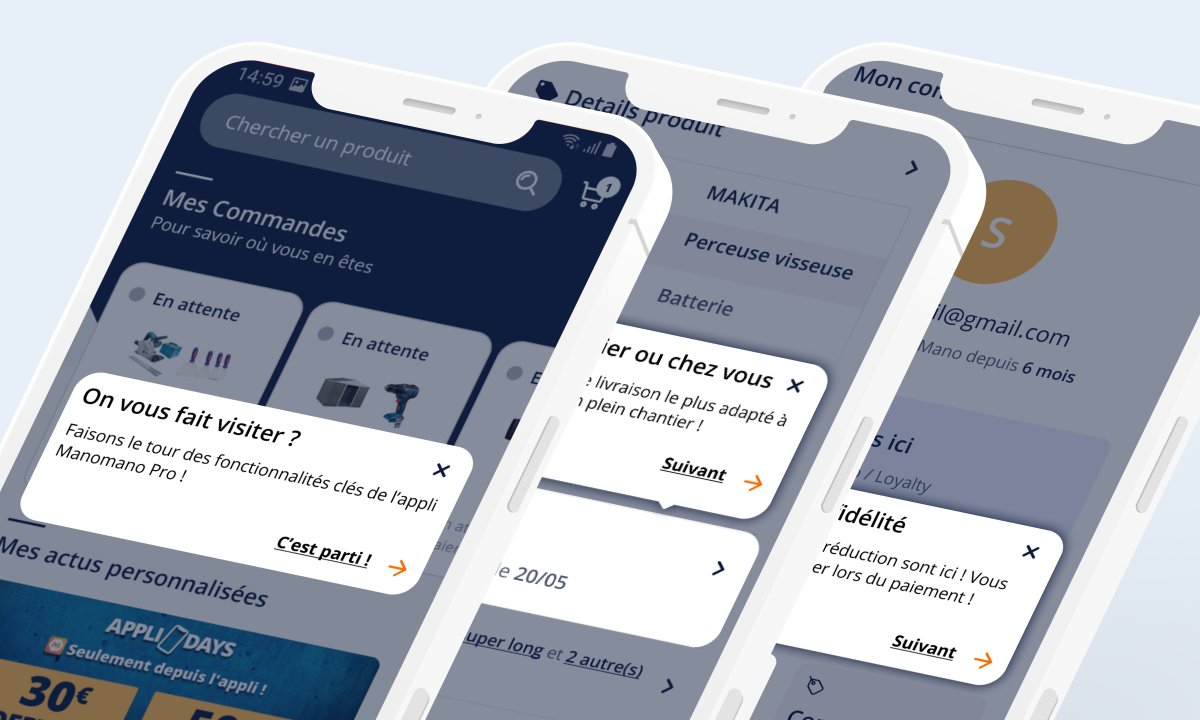
Overview
The Context
ManoMano had successfully built a marketplace connecting professionals with products, but engagement was largely transactional. Users visited the platform to purchase products, then left. I joined the B2B mobile team at a pivotal moment in the company's evolution: beyond an e-commerce app, I established the foundations for future community initiatives. Within a SAFe framework alongside two product managers and a dedicated development team, I introduced scalable interaction patterns and reusable system components across the B2B ecosystem.
3M+
Products listed in the catalog
50 M+
Unique visitors on the platform per month
900+
Employees across 6 European countries
The Challenges
The B2B app faced interconnected challenges that required thoughtful design thinking: building community from scratch by understanding our professional users while introducing scalable interaction patterns and reusable system components.
first challenge:
Bringing Behaviours Into The Ecosystem
Building a sustainable community from scratch.
Before exploring solutions, we focused on understanding existing behaviours and validating demand. I led a discovery phase combining:
- User surveys
- App tracking
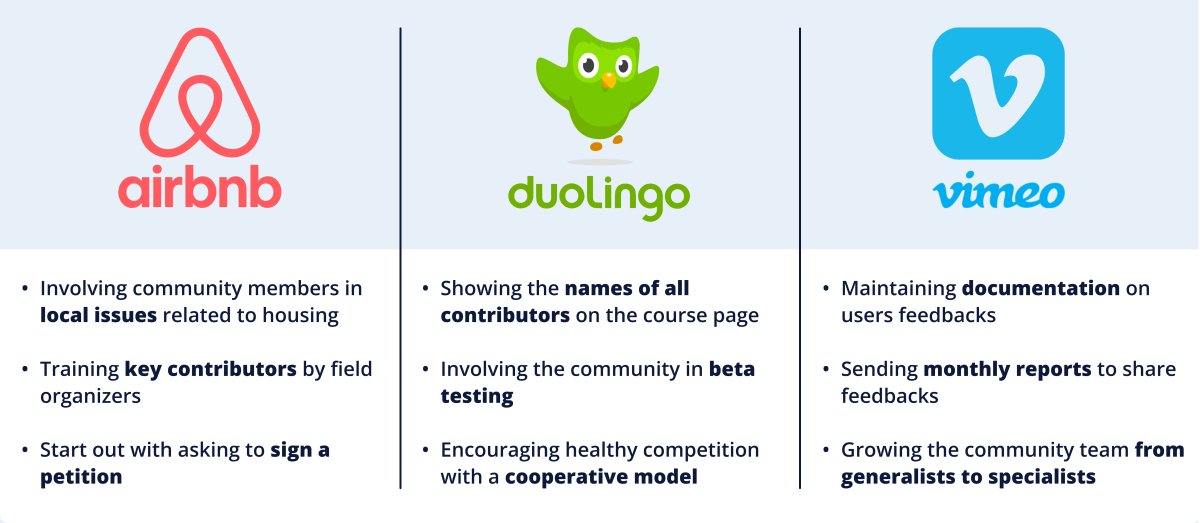
- Competitive benchmarking
- Stakeholder workshops
What research has revealed:
- Professionals were already sharing recommendations, troubleshooting advice, and product expertise with peers
- Those conversations happened outside the platform: the behaviour existed, the platform did not.
- Successful brands building communities by nurturing motivated ambassadors, encouraging healthy competition, and involving their audience meaningfully at every stage.
I needed to validate whether users wanted to engage with one another, identify the right participation model, and create a solution that balanced user value, business goals, and technical constraints. The goal was to create a sustainable community model that increased engagement while supporting purchasing decisions.
Years in business
Unique visitors on the platform per month
Employees across 6 European countries
The Problems
How might we foster a genuine sense of community within a transactional platform?
How might we enable knowledge sharing between professionals without disrupting the purchasing experience?
approach & solutions:
A Potential Contributor Segment
An existing behaviour could be activated.
The behavioural analysis I conducted revealed that 13,1% of professional users demonstrated characteristics associated with community ambassadors:
- High engagement
- Frequent return visits
- Strong product expertise
- Interest in helping peers
Rather than creating a community from scratch, we had an opportunity to activate an existing behaviour.
13,1%
of users identified as highly engaged potential ambassadors, willing to contribute more than three times weekly
Shared Expertise
Professionals actively shared expertise with colleagues, validating our hypothesis about spontaneous knowledge-sharing
Genuine Engagement
Users demonstrated strong emotional investment, being equally likely to share negative experiences
approach & solutions:
Defining The UX Strategy
One of the biggest risks was committing to a solution too early.
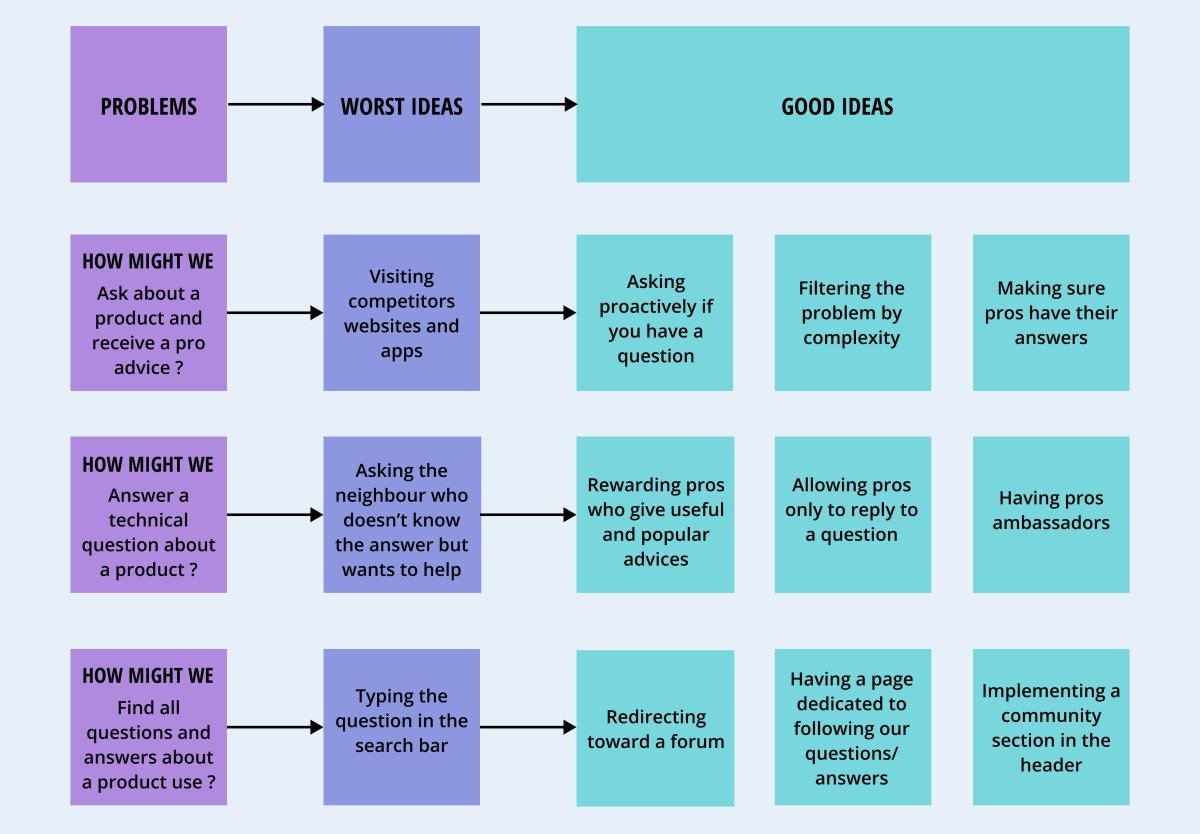
I facilitated a series of discovery workshops with product managers, engineers, and stakeholders to challenge assumptions and identify the most valuable opportunities. One particularly useful exercise was the Worst Idea Workshop. By intentionally exploring poor solutions, we surfaced hidden assumptions, clarified user needs, and reframed several feature requests into validated problem statements. This helped the team align around evidence rather than opinions.
approach & solutions:
Exploring Solutions
Recognition mattered more than gamification.
I evaluated multiple approaches before defining the MVP. Early assumptions focused on badges and reward systems. Research showed that contributors were primarily motivated by helping others and being recognised for their expertise. This insight significantly changed our direction. Instead of designing a gamified community, we focused on surfacing valuable contributions in relevant contexts.
Solution 1: Dedicated Community Forum
Pros:
- Familiar interaction model
- Rich discussions
Cons:
- High moderation overhead
- Required users to leave purchasing journeys
- Significant adoption risk
Solution 2: Gamified Community Experience
Pros:
- Potentially increased participation
Cons:
- Research showed limited user interest
- Risk of low-quality contributions
Solution 3: Contextual Expertise Sharing (Selected)
Pros:
- Low participation friction
- Integrated into existing workflows
- Directly connected to user needs
This approach aligned most closely with observed behaviours and business objectives.
(Images are subject to NDA and are available upon request.)
approach & solutions:
Key Design Principles
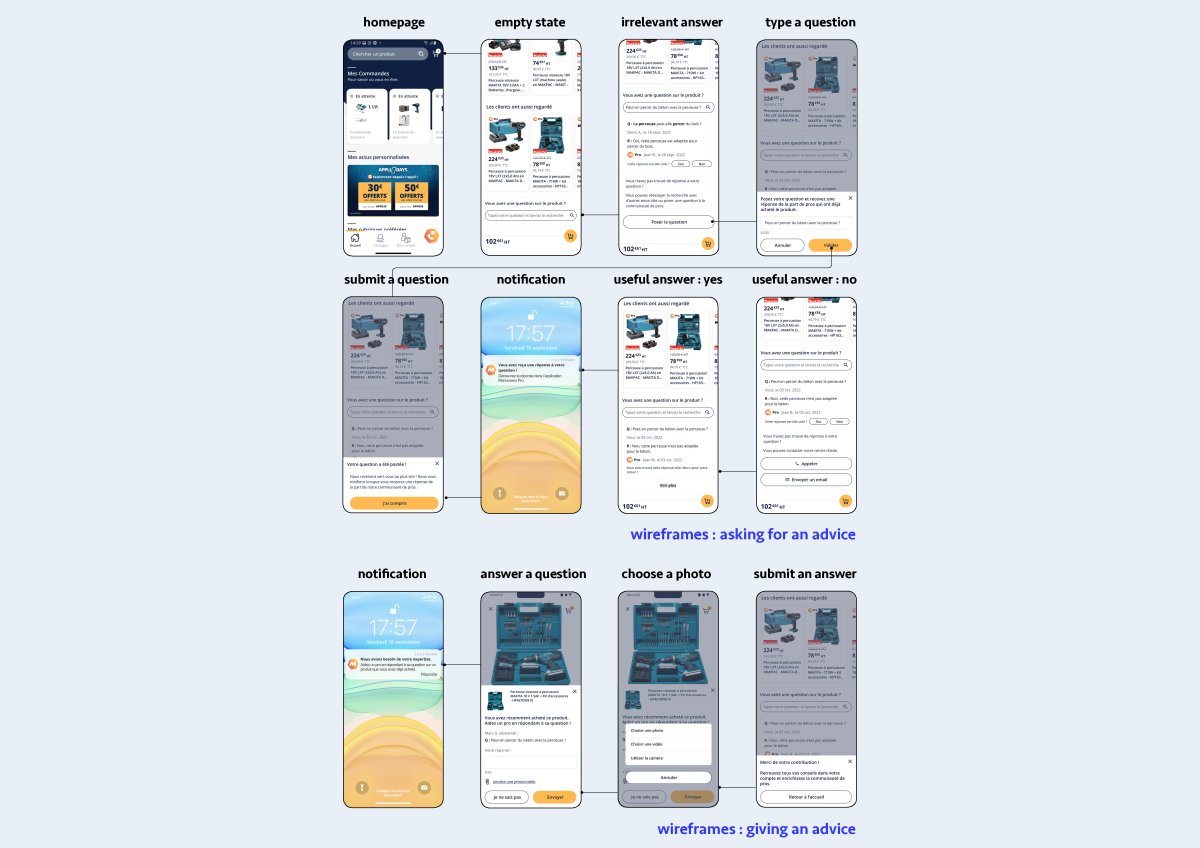
The solution focused on lightweight contribution rather than traditional social mechanics. Key design principles included:
Low-Friction Participation
Users could contribute expertise without leaving their primary workflow.
Contextual Knowledge Sharing
Advice appeared where it could directly support decision-making.
Recognition Through Expertise
Visibility was earned through contribution quality rather than points or badges.
Scalable Foundations
New interaction patterns and reusable components were designed to support future community initiatives.
(Images are subject to NDA and are available upon request.)
approach & solutions:
Designing For Scale, Crafting Delight.
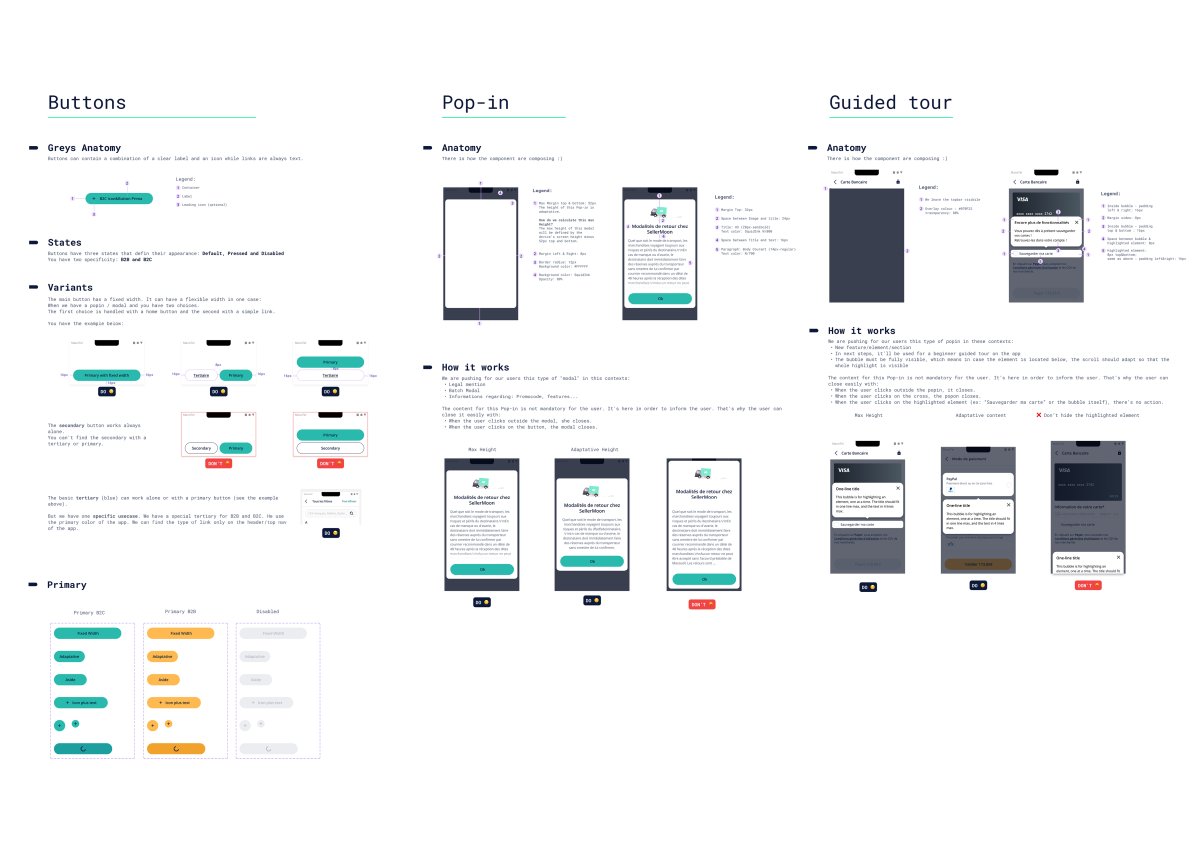
The project also exposed challenges across the product ecosystem. Mobile and web teams operated with separate design systems and evolving component libraries. To support future growth, I partnered with engineers and stakeholders to:
- Audit existing patterns
- Identify reusable components
- Define new community interaction standards
- Create implementation-ready specifications
This reduced development ambiguity and established foundations that could be reused beyond this initiative.
Beyond functional requirements, I designed thoughtful micro-interactions that brought joy and surprise to the user experience, transforming routine interactions into moments that reinforced the sense of community we were building.
approach & solutions:
Collaboration From Discovery To Launch
As the sole designer on the B2B mobile team, I worked across discovery, strategy, execution:
Product Managers:
- Defined success metrics
- Prioritised opportunities
- Scoped MVP releases
- Balanced business and user needs
Engineers:
- Validated feasibility early
- Reduced implementation risk
- Refined interactions together
- Maintained quality through delivery
results
Community Platform Outcomes
By combining qualitative research, structured frameworks, and thoughtful interaction design, I laid the foundation for community features that respected our users' time while encouraging meaningful contribution. Working as the sole designer on the B2B app team taught me the importance of building bridges: between design systems, between teams, and ultimately, between the users themselves. The success of these features demonstrated that even in transactional B2B contexts, there's real appetite for connection and knowledge-sharing when the design makes it effortless and rewarding.
13,1%
Professional users identified into a contributor segment
95%
Sprint delivered on time, and less than 10% post-redesign
0 → 1
Product deployed from discovery through launch